1200 Park Central Blvd. South, Pompano Beach, FL 33064 9121 North Military Trail, Suite 200, Palm Beach Gardens, FL 33410 855 E SR 434., Suite 2209, Winter Springs (Orlando area), FL 32708 1211 North Westshore Blvd., Suite 409 Tampa, FL 33607 Offices in Miami-Dade (by appointment) Reach any office: 800.974.0680
1200 Park Central Blvd. S., Pompano Bch, FL 33064 9121 N. Military Trail, Ste. 200, Palm Bch Gdns, FL 33410 855 E SR 434., Suite 2209, Winter Springs (Orlando area), FL 32708 1211 N. Westshore Blvd., Ste. 409, Tampa, FL 33607 Offices in Miami-Dade (by appointment) Reach any office: 800.974.0680
Jumping Into the Present: Why Updating the Governing Documents of Your Association Is Critically Important
*Important Viewing this on-demand video WILL NOT satisfy Florida state requirements for new Board Members; NOR will this recorded version offer CEUs for CAMS or Board Members. It is for informational purposes only and is not to be considered as legal advice. Should you have any questions, contact your association counsel.*
Learn how changing outdated rules, ambiguous information, and vague rights in governing documents can impact your association for the better! Instructed by Kerstin Henze, Esq. of the Firm’s Tampa location. Co-hosted by Castle Group.
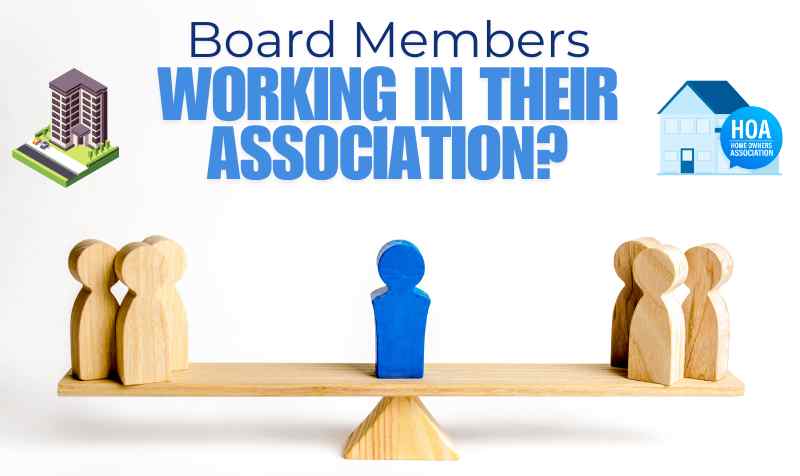
In this week’s tip, we answer an HOAleader.com reader’s email about their board hiring their former president at $15 per quarter hour. Apparently, the current board says this former president can advise the board because the president knows a lot about the community.
To help our reader out, we’ve broken this down into two parts. Can boards do this? And should boards do this? The short answers are probably “yes” and “not if you can avoid it.”
We asked four experts about this situation, and all agreed that it would likely be legal in their state for a board to hire a former president.
“In Florida, you can hire anybody you want to perform any service you want,” says Lisa Magill, of counsel based in Pompano Beach, Fla., Kaye, Bender & Rembaum. “Obviously, that doesn’t include services that must be performed by those with a license, such as a community manager.” [Read the rest here]
Guest Restrictions and Screening Tenants & New Owners
*Important* Viewing this on-demand video WILL NOT satisfy Florida state requirements for new Board Members; NOR will this recorded version offer CEUs for CAMS or Board Members. It is for informational purposes only and is not to be considered as legal advice. Should you have any questions, contact your association counsel.
Instructor (Course Provider): Kerstin Henze, Esq. (KBR Legal); Panelist and Co-host: Paul Petrulis (Inframark)
Addresses the authority to review and approve tenants and owners, including issues related to transfer fees/security deposits, potential “good cause” to deny an applicant, restricting guest occupancy, and common pitfalls in the “screening” process.
This edition normally features attorney Kerstin Henze (Tampa, FL location). On this evening Steve O is joined by Alan Schwartzseid, Esq., subbing for Kerstin.
The Tampa area edition takes place Live on the last Tuesday of each month, from 5:00pm to 5:50pm Eastern.
Castle Group hosts Season 6, Episode 1 of Association Leadership: Navigating Legislative Changes – How New Laws Will Impact Your Association. The webinar was moderated by Craig Vaughan, Castle Group CFO and is joined by Michael S. Bender, Esq. BCS, & Alan Schwartzseid, Esq. BCS of Kaye Bender Rembaum.
Note: Viewing this video will not satisfy any Florida State requirement for CAMs or Board Members. This is strictly informational and for review.
Rembaum’s Association Roundup | Jeffrey A. Rembaum, Esq., BCS | Visit HERE
The Corporate Transparency Act (“CTA”) was enacted in 2021. The CTA requires that on or before January 1, 2025, all cooperatives, condominiums and homeowner’s associations (collectively, “Associations”) are required to file certain information with the US Treasury department, Financial Crimes Enforcement Network (“FinCEN”). This law requires businesses that are registered with their state’s division of corporations, which includes Community Associations, to provide information on its ‘Beneficial Owners’ which are the decision makers, meaning board members, and officers (and possibly managers, too). Your Association will need to comply with the registration requirements of the CTA or face significant penalties. In addition, any changes to the board members or officers must be reported by updating the information on FinCEN within 30 days of the change.
1) What is the CTA? The CTA aims to combat illicit activity including tax fraud, money laundering, and financing for terrorism by capturing more ownership information for specific U.S. businesses operating in or accessing the country’s market. Under the new legislation… Read the Full Article
*Important Viewing this on-demand video WILL NOT satisfy Florida state requirements for new Board Members; NOR will this recorded version offer CEUs for CAMS or Board Members. It is for informational purposes only and is not to be considered as legal advice. Should you have any questions, contact your association counsel.*
Board members will receive a comprehensive education of the statutory requirements and responsibilities that each volunteer must know to more effectively serve on the Board of Directors of a Homeowners’ Association. Instructed by Alan Schwartzseid, Esq. BCS of the Firm’s Winter Springs location. Co-hosted by Sentry Management.
**Important** Viewing this on-demand video WILL NOT satisfy Florida state requirements for new Board Members; NOR will this recorded version offer CEUs for CAMS or Board Members. It is for informational purposes only and is not to be considered as legal advice. Should you have any questions, contact your association counsel.
Hosted by Rafael Aquino (Affinity Management) and special guest speaker Lisa Magill, this session will guide condo board members and property managers through the complexities of SIRS compliance and reserve funding under Florida’s updated legislation.
We will address key concerns that many associations are currently facing. For example, do SIRS reserve funds need to be kept separate from non-SIRS reserves? What happens if your SIRS report mandates a special assessment in the first year—can you pay that alongside mandatory reserves? With this being the final year to vote to waive reserves, what should you do if your SIRS report arrives late? Can you vote to waive reserves before you receive the report? Additionally, we will explore whether associations can opt for a special assessment to fund reserves instead of raising regular maintenance fees, especially in today’s challenging market. There’s also been talk of a potential special legislative session—does that mean you can delay action on SIRS compliance? This session will provide the clarity and strategies you need to navigate these new rules, ensuring your association is compliant and well-prepared for the future.