Kaye Bender Rembaum on ‘Ask the Experts’ | January 26, 2023


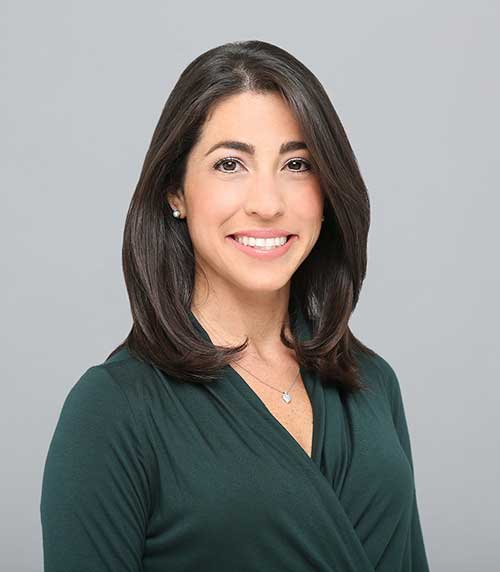
Allison L. Hertz, Esq., BCS has been named as one of South Florida’s Best Lawyers for 2023.
The Best Lawyers methodology is built upon the foundation of peer review, capturing the consensus opinion of leading lawyers about the professional abilities of their colleagues within the same geographical area and legal practice area. Best Lawyers uses a sophisticated, conscientious, rational, and transparent survey process designed to elicit meaningful and substantive evaluation of the quality of legal services. “We believe that the quality of a peer-review survey is directly related to the quality of the voters.”
“Every name on our list has been nominated by a client or trusted sources and is then vetted by the nation’s top 5 percent of legal talent.”
Please click HERE to view the feature. Ms. Hertz appears on page 29.
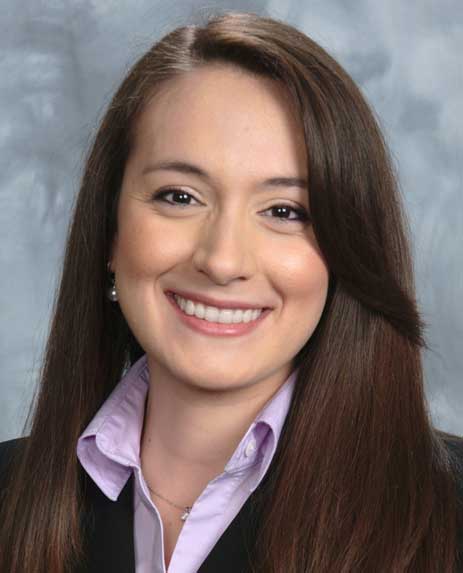
Danielle M. Brennan, Esq., BCS appears on page 15 of the Nov. 2022 edition of the Florida Community Association Journal, in its annual “Women Making a Difference” feature.
The editor of the FLCAJ stated, “The women represented in these pages have made an impact on the community association industry in Florida, and they have each made a difference in their respective fields.”
Please click HERE to view the feature.
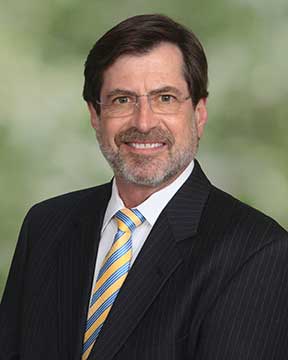 Only 1.4% of Florida’s lawyers appear among the exclusive Florida Legal Elite, and Kaye Bender Rembaum is proud to announce attorney Jeffrey A. Rembaum, BCS has once again been selected.
Now in its 19th year, Florida Legal Elite presents the state’s top licensed and practicing attorneys selected by their peers. Florida Trend invited all in-state members of the Florida Bar to name attorneys whom they highly regard or would recommend to others. The list of top vote recipients was examined using Florida Bar membership status and histories. A panel of previous Legal Elite honorees from across the state representing different practice areas reviewed the list of finalists. Congratulations, Jeffrey!
The Real Property, Probate and Trust Law (RPPTL) Section of the Florida Bar announced that attorney Allison L. Hertz, BCS of Kaye Bender Rembaum has been named Co-Chair of its Condominium & Planned Development Committee. Ms. Hertz, a Board Certified Specialist in Condominium and Planned Development Law, joins a long line of the most preeminent and respected attorneys in this field of law to have held this position.
“I am honored and proud to serve as Co-Chair for the Committee and will continue to provide input for the betterment of all Florida community associations”, said Allison Hertz. Jeffrey Rembaum added, “Ms. Hertz is extremely knowledgeable in this body of law, and will no doubt be a valuable asset to the RPPTL committee.”
Ms. Hertz is also the Vice-chair of the Condominium & Planned Development Law Certification Review Committee, and she recently served as Chair of the Condominium & Planned Development Committee’s Hurricane Protection Subcommittee, and was a member of the Committee’s Emergency Powers Task Force.
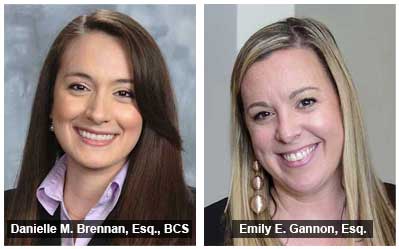
Danielle M. Brennan, Esq., BCS has been elevated to Firm Member at Kaye Bender Rembaum, P.L in Palm Beach Gardens, FL and Emily E. Gannon, Esq. has been elevated to Firm Member at Kaye Bender Rembaum, P.L in Pompano Beach, FL.
Danielle M. Brennan is a Board Certified Specialist in Condominium and Planned Development Law. Ms. Brennan joined Kaye Bender Rembaum as an Associate Attorney in the Firm’s community association department in the Palm Beach Gardens’ office in April 2013. Ms. Brennan assists clients on all aspects of community association operations and enjoys leading presentations for managers and board members.
Emily E. Gannon joined Kaye Bender Rembaum in April 2012, and assists the Firm’s association clients on all aspects of community association operations. Emily is also a frequent lecturer on community association law, which includes leading seminars providing CEUs for property managers and certifications for board members.
Congratulations to each new Firm Member of the Kaye Bender Rembaum team!
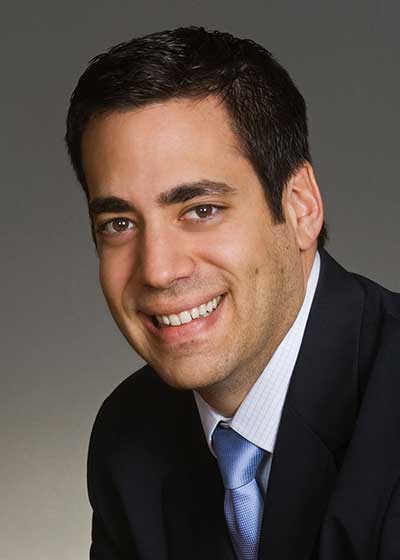 The Florida Bar has confirmed Firm Member Jeffrey D. Green, to be officially certified in Construction Law.
Board certification is the highest level of recognition by the Florida Bar and demonstrates an attorney’s significant competency and experience in a specialty field of law. Attorneys must meet stringent application criteria before officially becoming certified, including satisfactory peer review assessments as it relates to proficiency, character, ethics and professionalism, completing the certification area’s continuing legal education requirements and passing a rigorous written examination. Only attorneys who have earned the “board-certification” distinction are allowed to describe themselves as legal “specialists” or “experts” in a specific field.
“Board Certification is an achievement I’m very proud of, and I am excited to continue assisting our clients in construction-related matters and all other areas of association law,” said Jeffrey Green. Michael Bender added, “This is a career milestone for Jeffrey that warrants recognition. He’s an extremely knowledgeable and skilled attorney and we appreciate all he has done for the Firm and its clients.”
Congratulations to Jeffrey Green on this impressive achievement.
 From the Florida Department of Business & Professional Regulation
718.501(3)(a), F.S./Senate Bill SB4D requires all condominium and cooperative associations with buildings 3 stories or higher to report the following information to the Division of Florida Condominium, Timeshares and Mobile Homes on or before January 1, 2023.
You may submit this information electronically to :
ctmhbuildingreporting@myfloridalicense.com or by USPS mail or hand delivery to:
Division of Florida Condominiums, Timeshares and Mobile Homes
Attention: Building Reporting
2601 Blair Stone Road
Tallahassee, FL 32399-1030
For emailing or USPS mailing, we prepared this form for you to use: Click HERE for the complimentary reporting form.
You may also provide your association’s information to the Division by simply completing and submitting the Building Reporting form, via this link:
http://www.myfloridalicense.com/DBPR/condos-timeshares-mobile-homes/building-report/