1200 Park Central Blvd. South, Pompano Beach, FL 33064
9121 North Military Trail, Suite 200, Palm Beach Gardens, FL 33410
855 E SR 434., Suite 2209, Winter Springs (Orlando area), FL 32708
1211 North Westshore Blvd., Suite 409 Tampa, FL 33607
Offices in Miami-Dade (by appointment)
Reach any office: 800.974.0680

1200 Park Central Blvd. S., Pompano Bch, FL 33064
9121 N. Military Trail, Ste. 200, Palm Bch Gdns, FL 33410
855 E SR 434., Suite 2209, Winter Springs (Orlando area), FL 32708
1211 N. Westshore Blvd., Ste. 409, Tampa, FL 33607
Offices in Miami-Dade (by appointment)
Reach any office: 800.974.0680

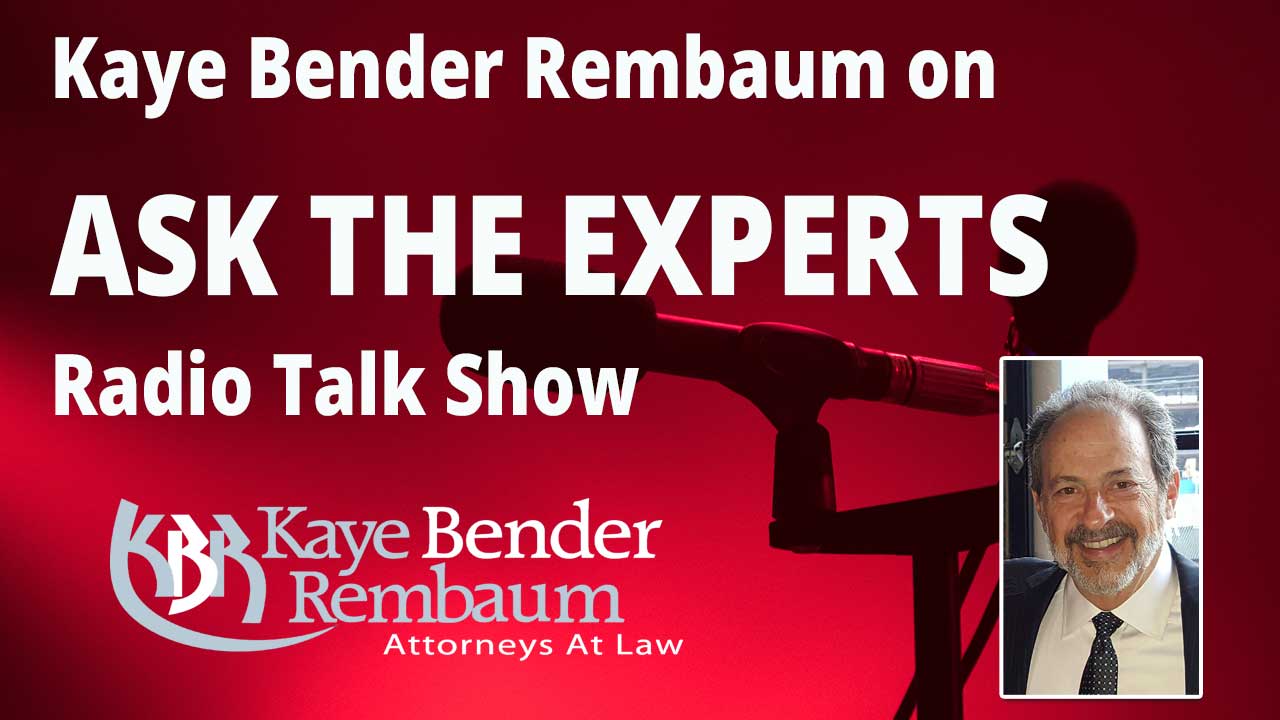
Kaye Bender Rembaum on ‘Ask the Experts’ | May 26, 2022

This edition features attorneys Michael S. Bender (Pompano Beach location) and Peter C. Mollengarden (Palm Beach Gardens location).

Now also live on the last Thursday of each month, from 6:03pm to 7:00pm Eastern. Do you have questions about your condominium, homeowners’ or cooperative association? Get your questions answered live on-air, anytime during the live show by calling: 888-565-1470. Features attorneys from our offices throughout the state of Florida.

News from CAI | Condo Safety Legislation Passed in the Special Session

Per a May 26, 2022 email we received from CAI: This week the Florida legislature was in special session and condominium safety was one of three initiatives addressed. CAI Florida Legislative Alliance is pleased to announce that SB 4D – Building Safety Act for condominium and cooperative associations passed unanimously through both the House and Senate on May 24th and 25th respectively, after a powerful and heartfelt appreciation for the sponsors, Sen. Jennifer Bradley (R-5), Senator Jason Pizzo (D-38) and Rep. Daniel Perez (R-116) was expressed by Members in both the House and Senate. Governor DeSantis signed the bill on May 26th. This bipartisan legislation is the result of tireless advocacy by you, our membership; thanks to your determination, CAI Florida Legislative Alliance was able to work with legislators in both chambers to craft an effective condo safety bill that will protect Floridians. CAI representatives were in Tallahassee this week during the legislature’s special session and were the only ones to speak on behalf of the new bill.

The legislation includes a framework largely based on CAI public policy recommendations for:

  • Building inspections as structures reach 30 years old and every 10 years thereafter.
  • Mandatory reserve study and funding for structural integrity components (building, floors, windows, plumbing, electrical, etc.).
  • Removal of opt-out funding of reserves for structural integrity components.
  • Mandatory transparency—providing all owners and residents access to building safety information.
  • Clear developer requirements for building inspections, structural integrity reserve study, and funding requirements prior to transition to the residents.
  • Engagement of the Florida Department of Business and Professional Regulation and local municipalities to track condominium buildings and the inspection reporting.

Associations will have two years to comply with these requirements. CAI will be working closely with policymakers before the bill takes effect in 2024 to be certain the new requirements and directives are workable and practical for Florida’s impacted associations.

Since June 24, 2021, the tragic collapse of Champlain Towers South where 98 people perished and many others lost their homes, CAI mourned, prayed, and committed to doing whatever we could to make sure this never happened again. Following the collapse, CAI members and volunteers worked closely with Florida Sens. Jennifer Bradley and Jason Pizzo, as well as Rep. Daniel Perez to lead the efforts to pass this important legislation.

The comprehensive legislation makes certain that no matter in what county a condominium or cooperative is located, they will be periodically inspected with information shared with unit owners, local building officials, and prospective buyers. CAI will continue working with policymakers to make certain that associations have the time to meet these changes and that these new processes are practically workable for associations while making certain they are fiscally sound and physically safe.

Sincerely,
CAI Florida Legislative Alliance

Hurricane Season Preparedness

Michael S. Bender, Esq., BCS

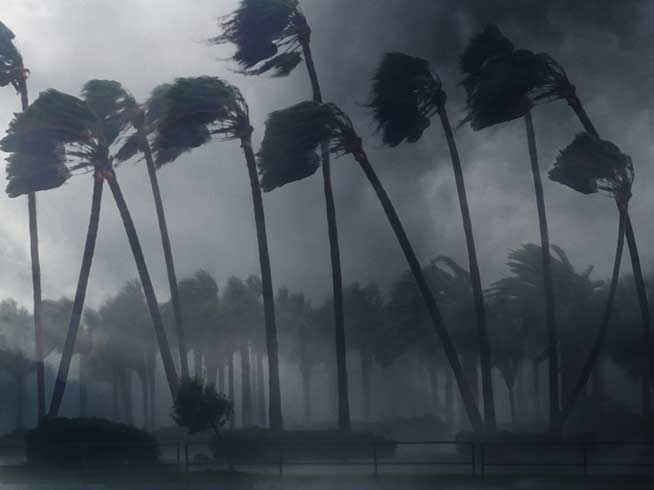
As with each year, we hope for a season with no hurricanes coming our way. However, it is safe to expect that there may be at least one such event in the coming months and, at the start of the hurricane season, it is prudent to plan for that possibility. Some of the planning steps that should be considered include the following:

  1. Create a disaster plan and establish off-site contact information and meeting points.
  2. Establish evacuation routes and conduct building or community evacuation drills in the weeks leading up to and once the hurricane season has begun.
  3. Verify that emergency generators and supplies operate and that fuel, flashlights, batteries, water, and other necessities are available.
  4. Backup computer files and store information offsite, in case computers crash or systems fail.
  5. Secure the premises. Make preparations for routine lockdown of the building(s) or other facilities as a storm approaches, so the building(s) is(are) secure during the storm and safe from vandalism or looting if a hurricane strikes.
  6. Write a list of owners and employees. Have on hand a current, hard-copy reference list complete with the names of all property owners, emergency contact numbers, and details of second residence addresses, as well as a list of all association employees, with full contact details.
  7. Photograph or video the premises. Keep a visual record through video or photographs of premises, facilities, and buildings to facilitate damage assessment and speed damage claims in a storm aftermath. Consider having the premises evaluated by appropriate professionals to establish the conditions prior to any hurricane event. (see further details on this item below)
  8. Make a building and facilities plans. Make sure a complete set of building or community plans are readily available for consultation by first responders, utilities workers, and insurance adjusters following a storm.
  9. Check all insurance policies and agent details. Be sure all insurance policies are current and coverage is adequate for community property, facilities, and common areas and compliant with State Law; full contact details for insurance companies and agents should be readily available in the event of a storm.
  10. Maintain bank account details and signatories. Keep handy a list of all bank account numbers, branch locations, and authorized association signatories, and make contingency plans for back-up signatories in case evacuation or relocation becomes necessary.
  11. Prepare to mitigate damages. In the immediate aftermath of a storm, take the necessary steps to mitigate damages. This includes “drying-in,” which is the placement of tarps on openings in the roof and plywood over blown out doors and windows, and “drying-out,” which is the removal of wet carpet and drywall to prevent the growth of mold.
  12. Remove debris.Have a plan for the speedy removal of debris by maintenance staff, outside contractors, or civic public works employees should a hurricane topple trees and leave debris in its wake.
  13. Reach out to your professionals. Be in touch with your management team and legal counsel to assist in guiding you in making fully informed business decisions to best protect your Community

Webinar | Conflicts of Interest – What You Need to Know

This course is for educational purposes and is not to be considered as legal advice. Watching this video on demand does not satisfy any state requirements, nor does this on-demand viewing offer any CEU for licensed managers.

Join attorney Allison L. Hertz and learn to identify potential conflicts of interest, how to document disclosures, internal controls and training staff, directors and officers, any new statutory requirements and penalties and best practices for associations.

Kaye Bender Rembaum on ‘Ask the Experts’ | May 5, 2022

Live on the first Thursday of each month, from 6:03pm to 7:00pm Eastern. Do you have questions about your condominium, homeowners’ or cooperative association? Get your questions answered live on-air, anytime during the live show by calling: 888-565-1470. Features attorney Robert L. Kaye, a Board Certified Specialist in Condominium and Planned Development Law.